If your trip starts in Guanacaste, chances are you'll pass through Liberia before anywhere else. The city works as the natural starting point for exploring the province: from there you can head toward Pacific beaches, rural areas, or natural areas further inland. To get around this area well, it's not enough to know where you're going; the condition of the roads, the time of year, and the type of vehicle suited to the roads ahead also matter.
Liberia as the gateway to Guanacaste
As the capital of the province, Liberia connects the airport with the main road network and with the region's different destinations, without you needing to go through the Central Valley. From there you can head to the coast or toward mountainous areas and natural parks. This location makes Liberia especially useful for organizing trips that combine several stops within Guanacaste, and it also has the services and businesses you need to finish preparing the rest of your trip. To plan well, it helps to identify from the start which parts of your itinerary will stay on main highways and which will use secondary roads.
How to get there by car from Daniel Oduber Quirós Airport
Daniel Oduber Quirós Airport sits right next to the main corridor into Liberia, from where traffic spreads out to the rest of Guanacaste. The Enterprise office for this destination is located about 1 km from the airport, so within a few minutes you can have the keys in hand and be on your way to Liberia, Pacific beaches, Guanacaste communities, or the Rincón de la Vieja volcano area. Most of that trip runs on paved highway, but we recommend checking the final access to your specific destination before you leave: conditions can change quite a bit once you leave the main roads.
What the roads around Liberia are like
The main routes out of Liberia are paved, so getting between the city and Guanacaste's busiest corridors doesn't require a vehicle specially prepared for difficult roads. Things can change on the final approach. Several routes to beaches and to Rincón de la Vieja volcano include stretches of gravel, where extra vehicle height comes in handy against surface irregularities. This means you should evaluate the whole route and not just the main highway. A destination can be connected by pavement for almost the entire trip and change completely over the last few kilometers.
Which vehicle is best for getting around from Liberia
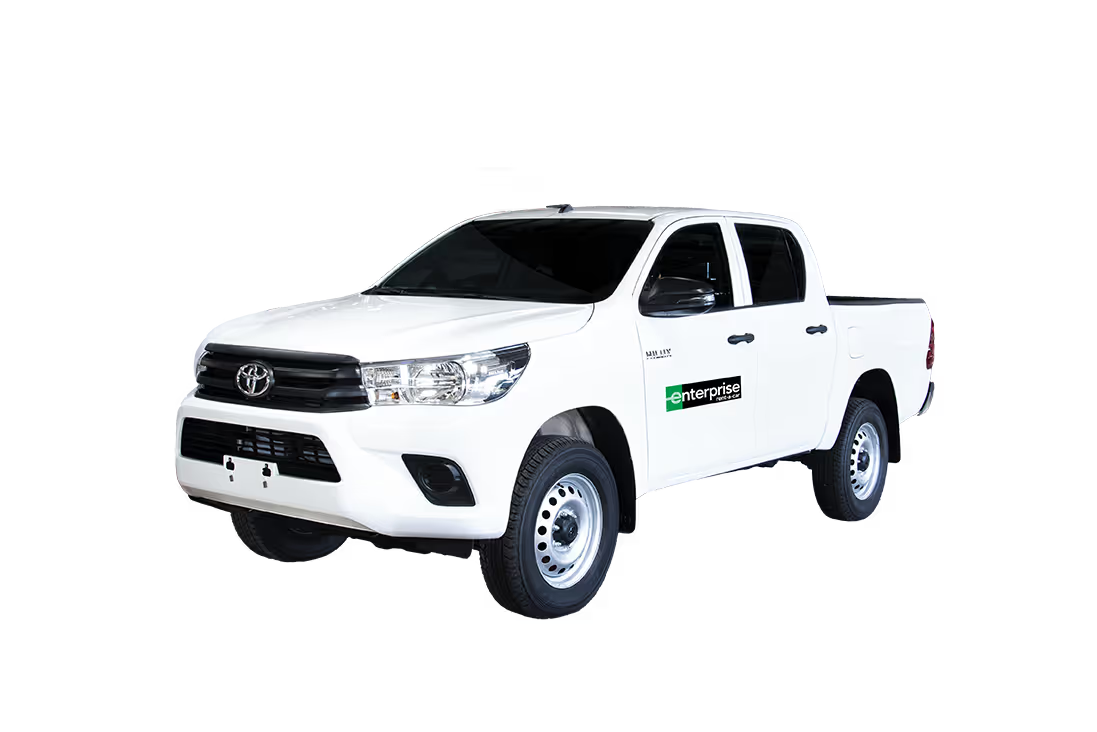
An SUV is a practical category for exploring Liberia and other parts of Guanacaste when your itinerary combines paved highways with occasional gravel roads: the extra height helps without necessarily needing four-wheel drive. If your plan mostly stays on main roads and visits destinations with secondary access in normal conditions, an SUV offers a suitable setup for that kind of trip. If your itinerary includes more demanding rural roads, mountains, or rain that could reduce traction, it's worth separately considering whether you need a 4x4. The choice should respond to the most demanding stretch of the trip.
What to expect from Liberia and Guanacaste's weather
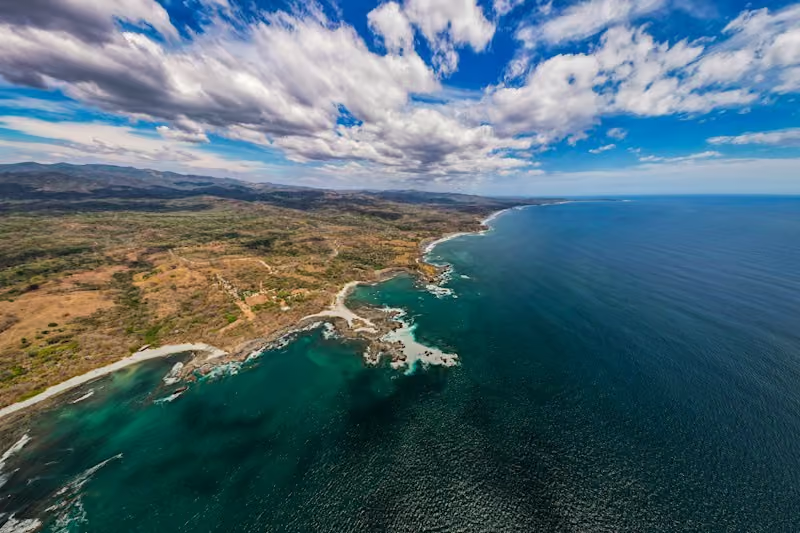
Guanacaste generally has a drier, hotter climate than the Central Valley, a difference you can notice as soon as you land in Liberia. These conditions affect both the trip itself and the condition of some secondary roads. During dry periods, gravel roads can be dusty with loose surfaces; during the rainy season, those same accesses can change condition due to water and terrain. For that reason, the time of year matters just as much as the route itself, especially when your itinerary moves away from paved highways. It's also worth considering the weather when planning outdoor activities and trips to natural areas, where conditions can differ from downtown Liberia.
Liberia lets you plan a Guanacaste trip starting from a paved main road network and adapting it to each destination's access. Compare your route's conditions, the expected weather, and the type of terrain to find out which vehicle best suits your itinerary.
Have any questions left?
These are the most common questions related to this topic. If you have a specific question, feel free to contact us: our team will be happy to help.
Not always. It depends on your itinerary: if you are sticking to paved roads, an SUV or even a sedan will do. A 4x4 is recommended if your plans include gravel or mountain roads, or if you are traveling during the rainy season (May to November).
Yes, both at Juan Santamaría International Airport (San José) and Daniel Oduber Quirós Airport (Liberia), just a few minutes from the terminal.
Yes, our airport offices have extended hours to accommodate international flights. Please confirm the exact office hours when booking.
It depends on your destination and road conditions: it takes about 4 hours to reach Liberia/Guanacaste via paved roads, while the trip to Monteverde takes 3 to 4 hours, including a final stretch of gravel road that requires slower driving.